Preventive Controls for Human Foods has emerged as the primary food safety system throughout FDA-regulated industries. However, this standard foundation doesn't offer usable, practical guidance or training for the craft beverage industry. Large wholesale customers are now requiring producers to implement a food safety plan as part of their production process.
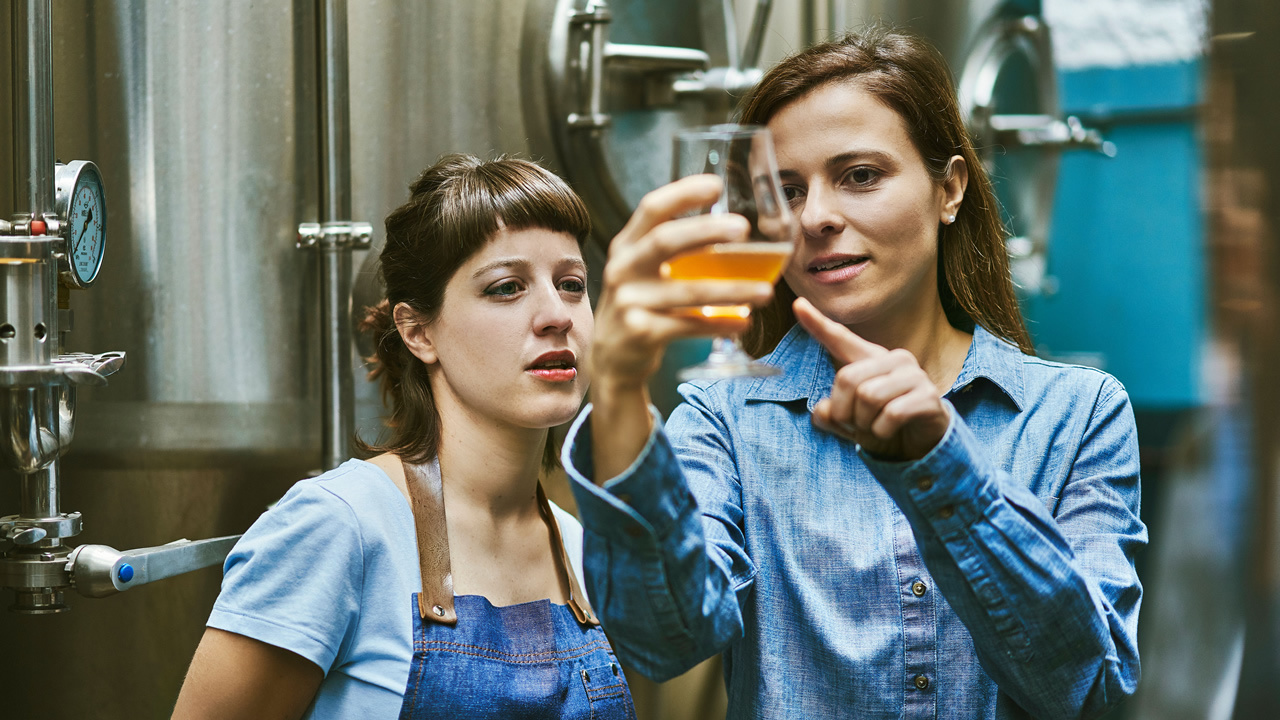
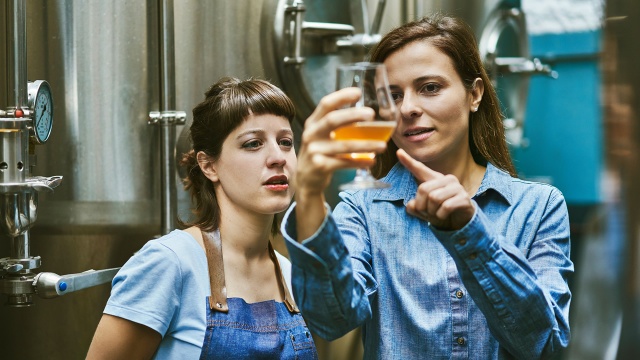
Preventive Controls for Humans Foods – Craft Beverages offers brewers a unique opportunity to work through customized group exercises and plans focusing on beer, cider, and kombucha production. The goal is to maintain compliance with industry regulations and business partners and to meet customer expectations.
As brewers develop new formulations to compete in a hyper-competitive marketplace, allergens and other hazards can make breweries susceptible to recalls and lawsuits. Upon full completion of the class, participants are awarded a certificate of completion from the Food Safety Preventive Controls Alliance and can be designated as a Preventive Controls Qualified Individual (PCQI).
We also offer this course online! We have regular online courses each month. Both the three day PCHF course and the PCHF Part 2, one-day course are available. If you would like to take part 2, please make sure you take the asynchronous part 1 course before taking part 2.
We designed this course for food safety professionals, including:
- Production Supervisors
- Production, Quality, and Executive Management
- Food Safety Team Members
- HACCP Team Members
- Audit Team Members
This 24-hour course requires three days to complete and covers:
- CGMP and Prerequisites Programs
- Biological, Chemical, Physical, and Economically-Motivated Hazards
- CGMPs
- Preliminary Steps to Building a Food Safety Plan
- Hazard Analysis
- Process, Allergen, Sanitation, and Supply Chain Preventive Controls
- Verification and Validation
- Record Keeping
- Recall Plan
- Food Safety Plan Implementation and Management
- 21CFR117 Regulation overview
Identification of process preventive controls (CCPs) and applying critical limits to control identified hazards
Identification of other preventive controls (PCs) such as allergen, sanitation and supplier controls at each applicable step and applying the parameters and values to support control of the identified hazard
Establish the Monitoring of critical limits or parameters and values to ensure the process stays in control
Making corrections, assigning corrective or preventive actions when control is compromised
Verifying/Validating that the food safety plan is being applied and working as intended
Developing documents and records to demonstrate that the Food Safety Plan is operating effectively
Understand the management of the Food Safety System
Reviewing regulatory guidance including exemptions for Craft Beverages and TTB regulations
Delivered in-person in a classroom or lab setting.
A combination of online and in-person components.
Delivered online with a live instructor at a scheduled date and time.




























Preventive Controls for Human Foods has emerged as the primary food safety system throughout FDA-regulated industries. However, this standard foundation doesn't offer usable, practical guidance or training for the craft beverage industry. Large wholesale customers are now requiring producers to implement a food safety plan as part of their production process.
Preventive Controls for Humans Foods – Craft Beverages offers brewers a unique opportunity to work through customized group exercises and plans focusing on beer, cider, and kombucha production. The goal is to maintain compliance with industry regulations and business partners and to meet customer expectations.
As brewers develop new formulations to compete in a hyper-competitive marketplace, allergens and other hazards can make breweries susceptible to recalls and lawsuits. Upon full completion of the class, participants are awarded a certificate of completion from the Food Safety Preventive Controls Alliance and can be designated as a Preventive Controls Qualified Individual (PCQI).
We also offer this course online! We have regular online courses each month. Both the three day PCHF course and the PCHF Part 2, one-day course are available. If you would like to take part 2, please make sure you take the asynchronous part 1 course before taking part 2.
We designed this course for food safety professionals, including:
- Production Supervisors
- Production, Quality, and Executive Management
- Food Safety Team Members
- HACCP Team Members
- Audit Team Members
This 24-hour course requires three days to complete and covers:
- CGMP and Prerequisites Programs
- Biological, Chemical, Physical, and Economically-Motivated Hazards
- CGMPs
- Preliminary Steps to Building a Food Safety Plan
- Hazard Analysis
- Process, Allergen, Sanitation, and Supply Chain Preventive Controls
- Verification and Validation
- Record Keeping
- Recall Plan
- Food Safety Plan Implementation and Management
- 21CFR117 Regulation overview
Identification of process preventive controls (CCPs) and applying critical limits to control identified hazards
Identification of other preventive controls (PCs) such as allergen, sanitation and supplier controls at each applicable step and applying the parameters and values to support control of the identified hazard
Establish the Monitoring of critical limits or parameters and values to ensure the process stays in control
Making corrections, assigning corrective or preventive actions when control is compromised
Verifying/Validating that the food safety plan is being applied and working as intended
Developing documents and records to demonstrate that the Food Safety Plan is operating effectively
Understand the management of the Food Safety System
Reviewing regulatory guidance including exemptions for Craft Beverages and TTB regulations
Delivered in-person in a classroom or lab setting.
A combination of online and in-person components.
Delivered online with a live instructor at a scheduled date and time.